
As the world grapples with climate change, resource scarcity, and the urgent need to reduce greenhouse gas emissions, the spotlight is very much on the built environment as a center of transformation. Buildings account for a substantial share of energy use, emissions, and resource consumption, which makes green building not just a trend, but a necessity. As such, understanding the evolving skillset in sustainable construction is vital. Here is a look at the key competencies that will be in high demand as green building continues to reshape the industry.
1. Energy Modelling & Performance Analysis
One of the foundational technical skills in sustainable construction is the ability to model and analyze a building’s energy performance. Professionals trained in energy simulation tools such as IES VE, EnergyPlus, or other performance-analysis software can project energy use, thermal loads, and potential efficiencies early in the design phase. These simulations are not just “nice to have”, they are increasingly required to meet stricter energy codes and sustainability certification targets. With accurate modelling, designers and engineers can optimize building orientation, envelope, insulation, HVAC systems, and renewable energy integrations to minimize energy consumption.
2. Green Certification Expertise
Understanding green rating systems is already central to many sustainability roles, and this will only become more critical. Certifications like LEED (Leadership in Energy and Environmental Design), BREEAM, Passive House, and WELL are industry benchmarks. These frameworks provide structured ways to measure and validate environmental performance in buildings, from energy use to water efficiency to occupant health. Professionals who know how to navigate these systems, tailor strategies to meet certification goals, and communicate their benefits to clients will be in high demand.
3. Low-Carbon Materials and Constructability
Sustainability is not just about how much energy a building uses. It is also about what it is made from and how it’s built. There is a growing premium on understanding and sourcing low-carbon materials such as recycled steel, mass timber, or innovative concrete alternatives that reduce embodied carbon. The materials themselves are also just the tip of this iceberg. How they are sourced, shipped to site and constructed are areas where many innovative companies have identified opportunities for significant impact and improvement to the overall environmental footprint of constructing modern buildings; for example, modular building techniques are a major success story in driving these improvements to date. Professionals who can assess life-cycle impacts of materials, advise on sustainable sourcing, and balance cost, performance, and carbon footprint bring enormous value. As more developers adopt circular economy principles, the ability to design for deconstruction, reuse, and recycling will also become more important.
4. Green Retrofitting & Adaptive Reuse
Not all sustainability comes from new builds. A huge opportunity lies in retrofitting existing buildings to make them more energy efficient and resilient. Skills in retrofitting include upgrading insulation, improving air-tightness, installing high-performance windows, integrating heat pumps, and deploying water-saving technologies. Retrofitting innovative new upgrades often requires navigating legacy systems, historic structures, or constrained budgets, so they demand both technical savvy and creative problem-solving; knowledge and appreciation for old and new.
5. Carbon Footprint Assessment & Lifecycle Analysis
Understanding and managing carbon emissions across a building’s lifecycle is central to sustainability. Professionals who can conduct carbon footprint assessments, quantifying emissions from materials, construction, operation, and end-of-life, are increasingly valued. Lifecycle analysis (LCA) not only helps in reducing emissions but also supports decision-making around material choices, construction strategies, and long-term sustainability goals. This expertise is becoming critical for meeting net-zero commitments and securing green building certifications.
6. Renewable Energy Integration
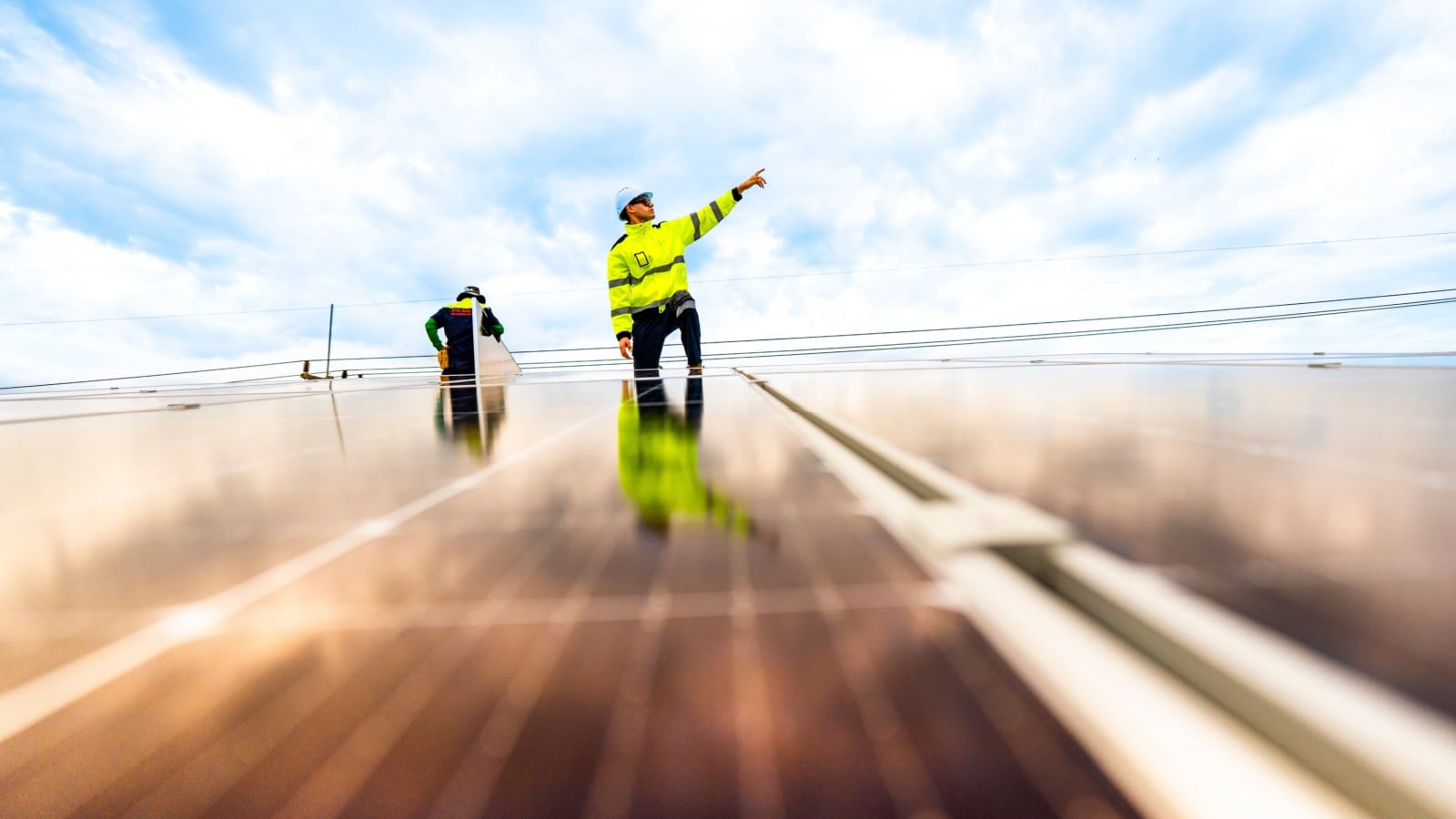
Green buildings increasingly feature integrated renewable energy systems, such as solar photovoltaics, geothermal heat, or energy storage. Expertise in renewable energy design and installation is therefore in high demand. Professionals need to understand how to assess and design for optimal solar panel placement, structural loads, inverter configurations, battery storage, and smart energy management systems. This also means coordinating with architectural and structural teams to ensure that renewables are seamlessly integrated into the building design.
7. Building Information Modeling (BIM) for Sustainability
BIM (Building Information Modeling) is no longer just a design tool. It is a sustainability enabler. Green building professionals with strong BIM skills can integrate environmental data into digital models, run performance simulations, and conduct life-cycle assessments. With BIM, teams can visualize energy flows, daylighting, material usage, and carbon emissions early in the design process. This collaborative, data-driven approach reduces risk, minimizes waste, and optimizes building performance.
8. Environmental Management Systems & Standards
Sustainability roles increasingly require familiarity with environmental management frameworks such as the ISO 14000 series standards. These frameworks help organizations systematically manage environmental responsibilities, track performance, and embed continuous improvement. Professionals who can align projects with ISO standards or integrate sustainability into broader organizational processes will play a strategic role in green building success.
9. Project Management & Stakeholder Collaboration
Green building is inherently cross-disciplinary. From architects and engineers to contractors, clients, government bodies, and occupants, many stakeholders must collaborate. Project management, stakeholder management, and communication skills are therefore vital. Green building consultants, in particular, need to navigate complex certification requirements, balance technical goals with financial constraints, and advocate for sustainability in every phase of a project. This requires not just technical expertise but also diplomacy, advocacy, and risk management.
10. Systems Thinking & Behavioral Leadership
Sustainability is not a siloed effort. Professionals with a systems thinking mindset who can see how energy, materials, water, lifecycle, and human behavior interconnect are especially valuable. On top of that, behavioral change leadership is emerging as a key green skill. Encouraging occupants, contractors, and project teams to adopt more sustainable practices, whether that is waste reduction, recycling, or energy-saving behavior, relies on communication, training, and strong leadership.
11. Sustainability Reporting & ESG Literacy
As sustainability becomes core to business strategy, ESG (Environmental, Social, Governance) reporting is gaining importance. Companies are increasingly looking for professionals who can translate building performance into ESG metrics. Understanding frameworks like GRI (Global Reporting Initiative) or SASB (Sustainability Accounting Standards Board) helps align building projects with corporate reporting and investor expectations. This blend of environmental science knowledge and financial acumen is a great asset.
Why These Skills Matter
- Regulatory and Market Pressure: In Canada, green building is not just a “nice-to-have”. The Canadian Green Building Council highlights that to meet 2030 and 2050 climate targets, buildings will need to perform at zero-carbon or near-zero levels.
- Talent Gap: There is a shortage of skilled professionals who understand sustainable construction practices. By investing in these green skills, companies can position themselves ahead of the curve.
- Competitive Advantage: Projects that achieve green certifications often command a premium in market value, and organizations engaged in sustainability showcase higher trust with communities and investors.
- Long-Term Vision: Adopting systems thinking, retrofitting strategies, and carbon assessment means companies can deliver resilient and future-ready infrastructure better equipped to adapt to a changing climate.
- Innovation & Leadership: By cultivating talent in areas such as BIM-based sustainable design, ESG reporting, and renewable integration, companies can lead in innovation, not just meet minimum requirements.
Looking Ahead
Green building is more than a trend; it is the future of construction. As governments tighten regulations and clients demand sustainability, the skillset needed by the building industry is shifting rapidly. Investing in energy modelling, green certifications, low-carbon materials, retrofit expertise, and systems thinking is strategic.
By prioritizing these green competencies now, companies can not only meet the sustainability challenges of today but lead the way into a low-carbon, resilient built environment. The demand for these skills will only grow, and building that capacity internally will pay dividends environmentally, socially, and economically.
